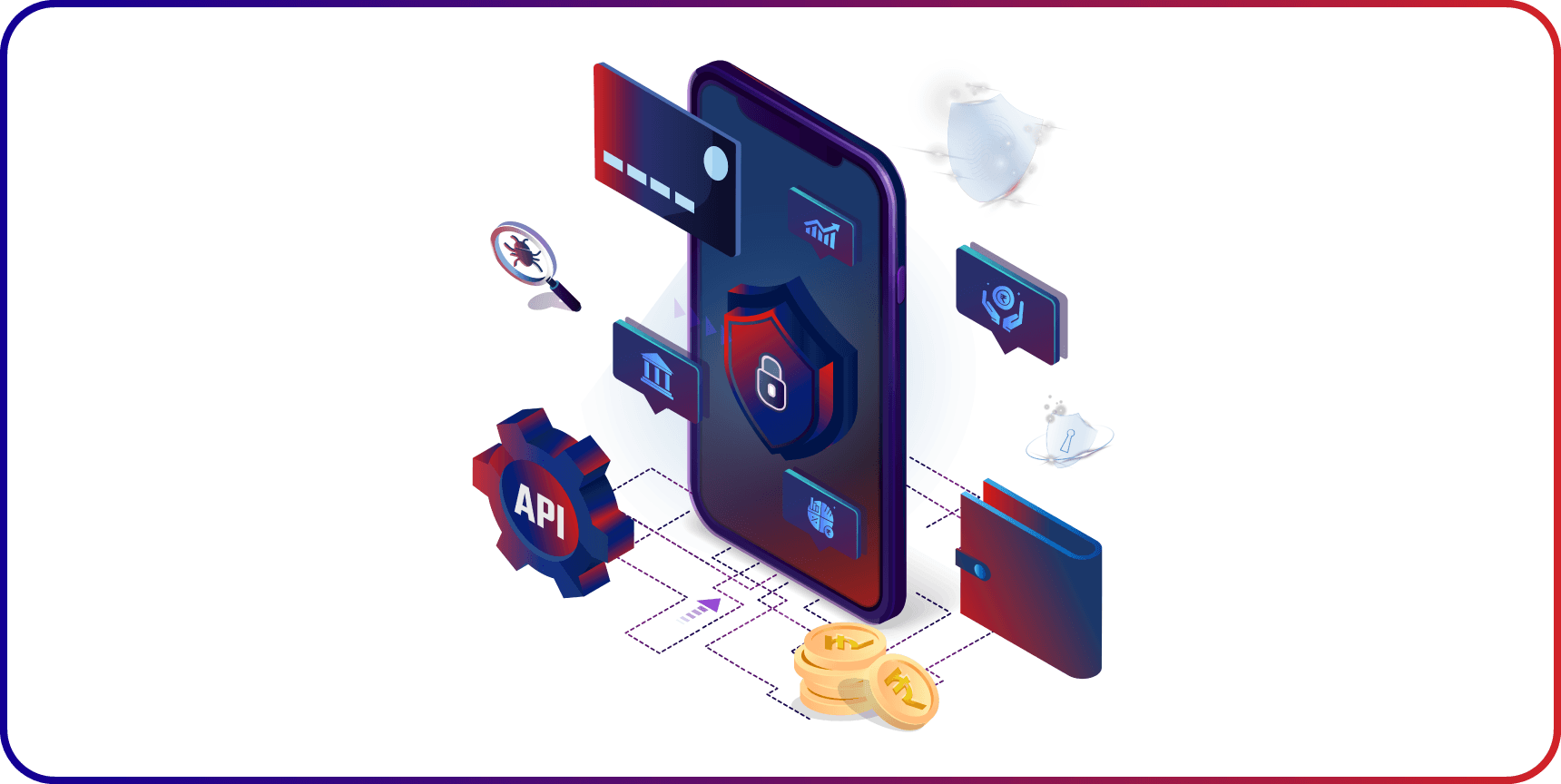
The mobile app ecosystem has become increasingly dependent on API endpoints as the critical conduits for functionality and connectivity. APIs serve as the backbone of mobile apps, enabling communication between different software components. However, they also present significant security challenges.
Complex Attack Patterns: Mobile app firewalls, similar to their web counterparts, often rely on predefined rules and signatures to detect threats. However, attackers targeting mobile APIs frequently use advanced techniques like dynamic payloads and API misuse, which can bypass these static defenses.
- Limited Contextual Understanding: Mobile APIs often interact with complex backend systems and handle sensitive user data. Traditional security tools lack the ability to understand the full context of these interactions, such as the specific business logic or user behavior patterns. This limitation makes it challenging to identify attacks that exploit logical vulnerabilities or misuse API functionalities, such as unauthorized data access or privilege escalation.
- Dynamic and Rapidly Evolving Environment: Mobile applications are frequently updated, often through agile development processes. This rapid evolution can introduce new API endpoints or modify existing ones, creating potential security gaps. Traditional static analysis tools, which require manual updates and scans, cannot keep up with these changes in real-time, leaving APIs vulnerable to newly introduced vulnerabilities.
- Scalability and Performance Concerns: As mobile applications scale, the volume of API requests can increase significantly. Traditional security measures may struggle to handle this scale efficiently, leading to performance bottlenecks.
This blog explores how Mobile Runtime Application Self-Protection (RASP) can be leveraged to enhance API security in mobile applications, providing real-time protection against sophisticated threats.
Understanding RASP and Its Relevance to API Security
Runtime Application Self-Protection (RASP) is a cutting-edge security technology that integrates directly into an application, allowing it to detect and mitigate threats in real-time. Unlike traditional security solutions that operate at the network perimeter, RASP provides security from within the application itself. This is particularly beneficial for securing API endpoints, which are increasingly targeted by attackers due to their critical role in data exchange and application functionality.
Key Benefits of Using RASP for API Security
Real-Time Threat Detection: RASP offers continuous monitoring of API endpoints, enabling the immediate detection of anomalies and potential threats. This real-time capability is essential for preventing zero-day attacks and other sophisticated threats that traditional security measures might miss.
Enhanced Data Protection: By securing the communication channels used by APIs, RASP helps prevent data breaches and unauthorized data access. It ensures that sensitive information transmitted via APIs is protected against interception and tampering.
Contextual Awareness: RASP's ability to understand the context of API requests allows it to differentiate between legitimate and malicious activities. This reduces false positives and ensures that security measures do not disrupt normal application functionality.
Best Practices for Using RASP in API Security
To maximize the effectiveness of RASP in securing API endpoints, mobile appsec professionals should consider the following best practices:
- App Integrity Verification: Mobile RASP security includes features that verify the integrity of the mobile application. This involves checking the app's signature and ensuring that it has not been tampered with or modified to prevent unauthorized or malicious versions of the app from accessing API endpoints.
- Device Binding: Employing device binding techniques to ensure that API requests are only accepted from registered and verified devices. This involves associating each app instance with a unique device identifier, which is validated with every API call. This prevents attackers from using cloned or unauthorized devices to access APIs.
- Dynamic Token Generation: The mobile RASP generates dynamic tokens for each API request. These tokens are cryptographically signed and include unique nonces to prevent replay attacks. The backend server validates these tokens to ensure that requests are legitimate and have not been intercepted or altered.
- Behavioral Analytics: The platform uses behavioral analytics to monitor API usage patterns. By analyzing the behavior of API requests, Mobile RASP can detect anomalies that may indicate malicious activity, such as unusual request frequencies or access patterns that deviate from the norm.
- Encryption and Secure Transmission: All API communications are encrypted using strong cryptographic protocols. This ensures that data transmitted between the mobile app and backend servers remains confidential and protected from eavesdropping or man-in-the-middle attacks.
- Access Control and Authorization: Mobile RASP enforces strict access control policies, ensuring that only authorized users and applications can access specific API endpoints. This involves validating user credentials and permissions for each API request.
- Real-Time Threat Detection: Mobile RASP platforms provide real-time threat detection capabilities, allowing it to identify and respond to security incidents as they occur. This includes detecting and blocking suspicious API requests or sessions that exhibit signs of compromise.
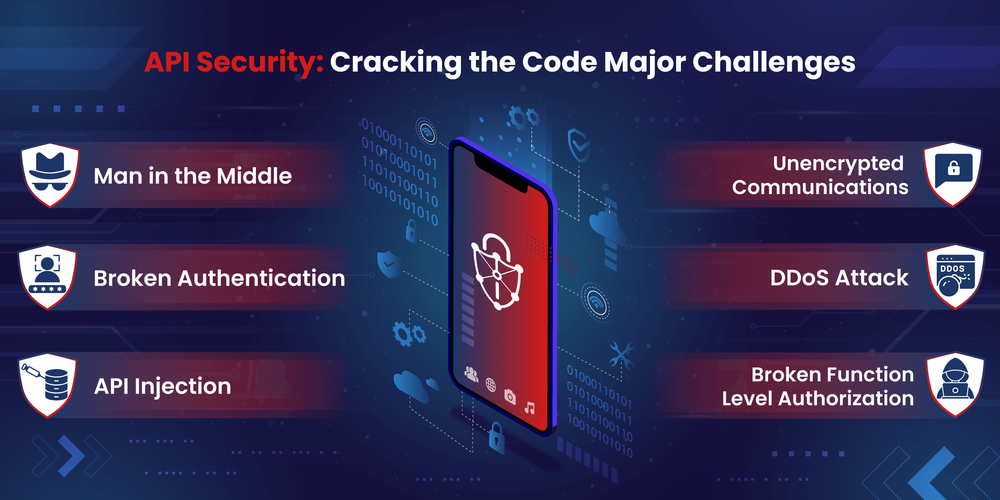
Securing APIs through APIProtectt
APIProtectt emerges as a robust solution designed to safeguard mobile APIs against a spectrum of cyber threats, ensuring the integrity and security of mobile applications.
Key Features of APIProtectt:
API Protectt is a comprehensive mobile API protection platform designed to secure mobile applications, particularly in the banking sector. It offers several key features:
- Defense Against API Abuse: Implements anti-bot and anti-piracy measures to prevent unauthorized API access.
- Replay Attack Prevention: Uses behavioral patterns to detect and eliminate replay attacks. Signed Token Validation: Creates signed tokens to verify the integrity of each API call on the server side.
- Zero Cross-Server Communication: Operates entirely within the SDK, eliminating the need for cross-server communication.
- Nonce and Digital Identity: Validates the uniqueness of each request using nonce and digital identity mechanisms.
- MiTM Attack Protection: Defends against Man-in-the-Middle attacks and session hijacking. Complex Crypto-Algorithms: Utilizes a combination of symmetric and asymmetric encryption for enhanced security.
- Trusted Mobile App Requests: Ensures that only requests from trusted mobile apps are processed. The integration process involves incorporating the AppProtectt SDK into the mobile application.
This SDK generates trust tokens with nonces and signatures for each API call. The backend server then validates these trust tokens, rejecting requests with invalid tokens or nonces.
APIProtectt Security Integration:
Integrating APIProtectt into a mobile application is designed to be seamless, enhancing security without compromising user experience. The integration process involves:
APIProtectt SDK Integration: The SDK is integrated into the mobile application, which generates trust tokens using nonce and signature mechanisms. This ensures that each API call is accompanied by a unique trust token.
Trust Request and Validation: The mobile application requests trust from the APIProtectt SDK and transmits it to the backend server with every API call. The backend server validates the trust token's integrity and the nonce's uniqueness, rejecting any requests where the trust or nonce is invalid.
Version Release Management: With each new version release of the mobile application, the trust configuration is updated in the mobile application database, ensuring that security measures evolve alongside the application.
APIProtectt Trust Validation Flow:
The trust validation flow is a critical component of APIProtectt, ensuring the security and integrity of API calls:
- Trust Generation: The APIProtectt SDK generates a trust token with a unique nonce and signature for each API call.
- Trust Transmission: The mobile application transmits the trust token along with the API request to the backend server.
- Trust Verification: The backend server verifies the trust token's integrity and the nonce's uniqueness.
- Response Handling: If the trust token is valid, the backend server processes the API request. If invalid, the request is rejected, preventing potential security breaches.
By integrating APIProtectt with RASP, organizations can create a comprehensive security framework that protects mobile applications from both internal and external threats. This multi-layered approach ensures that APIs remain secure, maintaining the integrity and confidentiality of sensitive data.
Conclusion
As mobile applications continue to rely heavily on APIs for functionality and data exchange, securing these endpoints is paramount. RASP offers a robust solution for enhancing API security by providing real-time protection and adaptive threat response capabilities. By leveraging RASP, mobile app security professionals can ensure that their applications remain resilient against the ever-evolving threat landscape, safeguarding sensitive data and maintaining user trust.
To know more and have a detailed demo, please get in touch with us on sales@protectt.ai
Protectt.ai is ‘A Leader in Mobile App Security in India.’ Built India’s first SaaS-based, Innovative Mobile App Security platform with Runtime Application Self Protection capabilities. Protectt.ai is delivering the next generation Mobile App, Device & Transaction Security Platform with 50+ Mobile App Security features driven by Deep Tech.